
 WARNING: Cancer and Reproductive Harm - www.P65Warnings.ca.gov
Tips to Help Prevent Water Pump Failure:
- Clean all excess dirt and debris from the water pump housing.
- Run your vehicle to increase engine temperature, and ensure the system is pressurized.
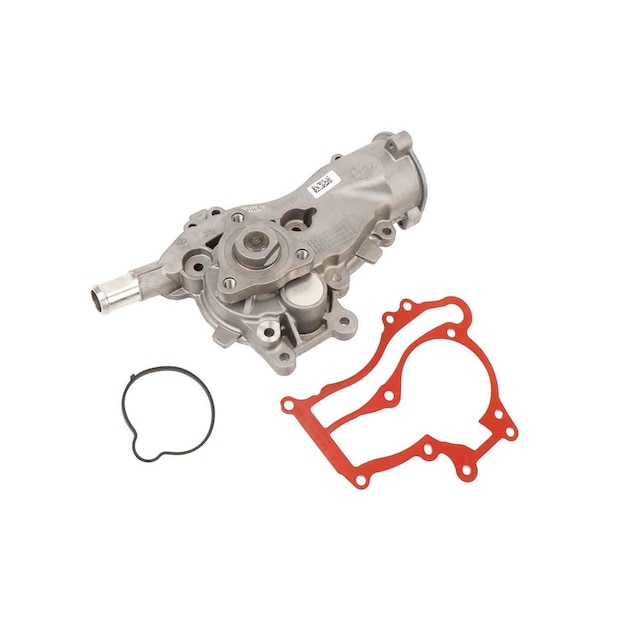
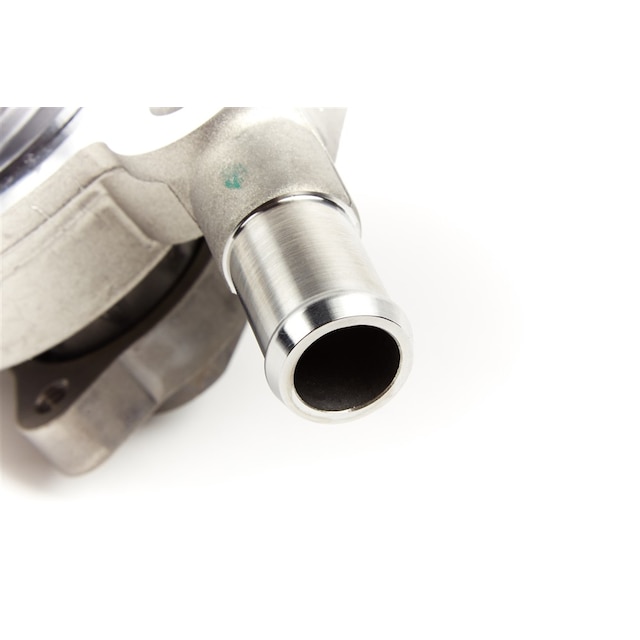
- Inspect for leakage at the water pump outlet housing or the rear cover gasket, and leakage at the water pump vent or weep hole.
- A stain around the weep hole is acceptable. However, if a weep occurs with the engine running and the coolant system pressurized, then the water pump should be replaced.
- Clean and reinstall the coolant recovery reservoir before flushing the cooling system.
- Flush the cooling system completely, using power flush equipment or thermal cycling the system with clean water three times. The most effective method of system flushing is to use a coolant exchanger, following the manufacturer's operating instructions.
- Do not use any non-approved flush agents, and replace the coolant according to manufacturer's specifications.
- Clean all sealing surfaces, and make sure all old gasket material is removed before installing your replacement component.
- Never strike the water pump shaft, since this will damage the new water pump.
- Torque all bolts according to the manufacturer's specifications, and adjust belts to proper tension (if applicable) to manufacturer's specifications.
- Use sealant tabs only if recommended. Some sealant tabs or similar compounds may restrict coolant flow through the passages of some cooling systems.
- With the new pump installed, turn the hub by hand and check for rotation.
- After installation, pressure-test the system for leaks and check for sufficient fan blade clearance between the blade and radiator shroud.
- Inspect related components in the cooling system, including your fan blades, fan clutch, engine mounts, radiator, belts and hoses, and reservoir.
- Flush your cooling system whenever the water pump or other system components are replaced. This will help prevent contamination from entering the system, which may result in repeated failure.
- Utilize quality coolant when refilling your cooling system with the recommended 50/50 coolant/water mix. Distilled water should be used, as hard tap water can leave mineral deposits in the cooling system and reduce coolant flow, or result in corrosion and seal damage. Contaminated or depleted coolant can also result in corrosion and seal damage, and lead to pump failure. Take care to select the correct coolant for your vehicle by consulting the vehicle manufacturer's service information.
- Never overtighten your drive belts. Belts that are too tight may cause an overload on pump bearings, greatly reducing the life of the water pump.
- Inspect the fan blade. If damage is not detected, bent blades, loose rivets, and cracks may result in premature bearing failure. If damage is found, do not try to repair the fan-the part should be replaced.
- Ensure that your engine fan pulley (or clutch, if used) is seated properly on the pump's shaft. If the fan wobbles during rotation, vibration resulting in premature bearing wear may occur. Also check the fan clutch for wear and replace as necessary.
- Inspect the thermostat and radiator cap. Examine your thermostat and radiator cap, and replace if they show signs of sticking or leaking.
Troubleshooting Tips:
- Leaking Coolant - Puddles of coolant under your vehicle, a constant drip or stream of coolant from the water pump's weep hole, or a constantly empty or low coolant reservoir are all signs of potential water pump wear, and may be caused by cracks in the pump, or seal or gasket failures.
- Engine Overheating - If your vehicle's engine overheats, it may not be receiving the required coolant flow. Make sure that your vehicle's cooling system contains the proper level of coolant.
- Rumbling Noise in the Pump - A rumbling, squeaking, or screeching noise near the front of your vehicle when you start it may indicate a malfunctioning water pump bearing.
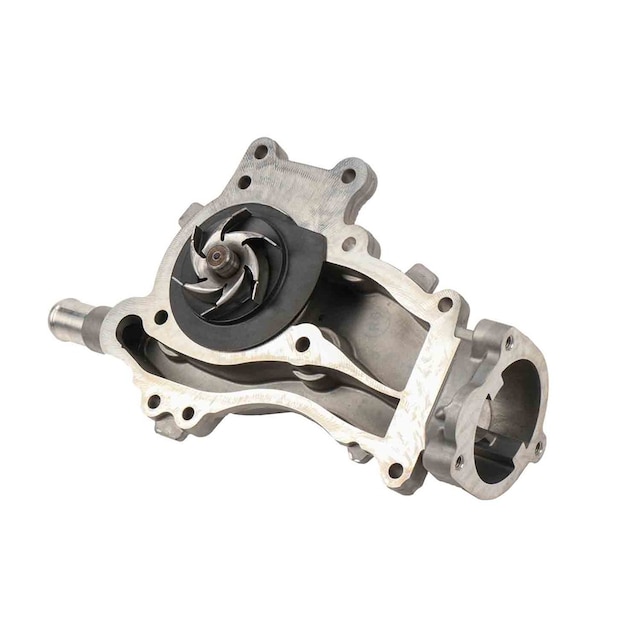
- Visible Component Wear - Worn seals, corrosion, cavitation/pitting of pump components, or a loose or wobbly pump shaft are all signs of wear that may lead to water pump failure, and should be addressed.