
GM parts logo
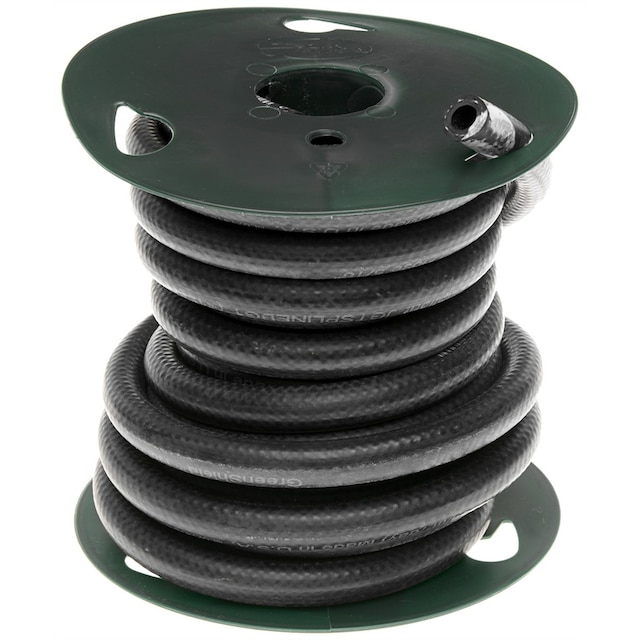
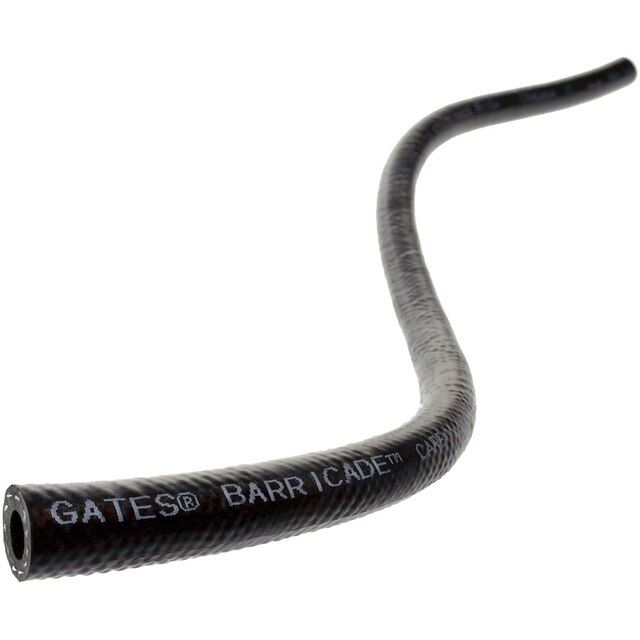
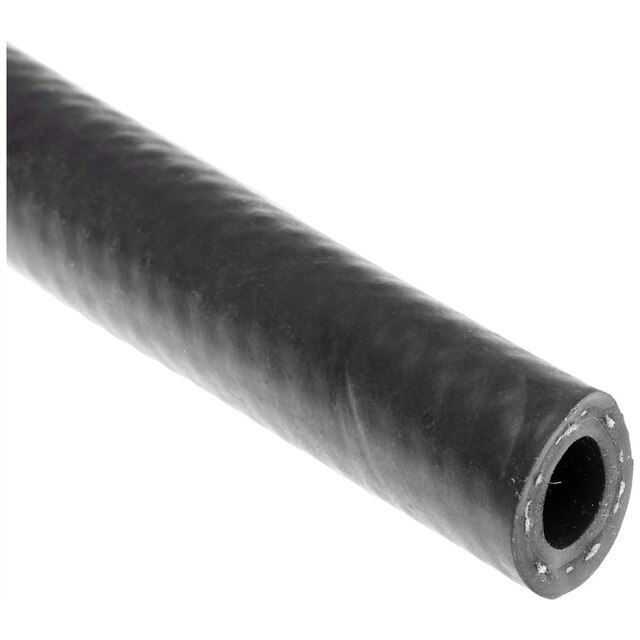
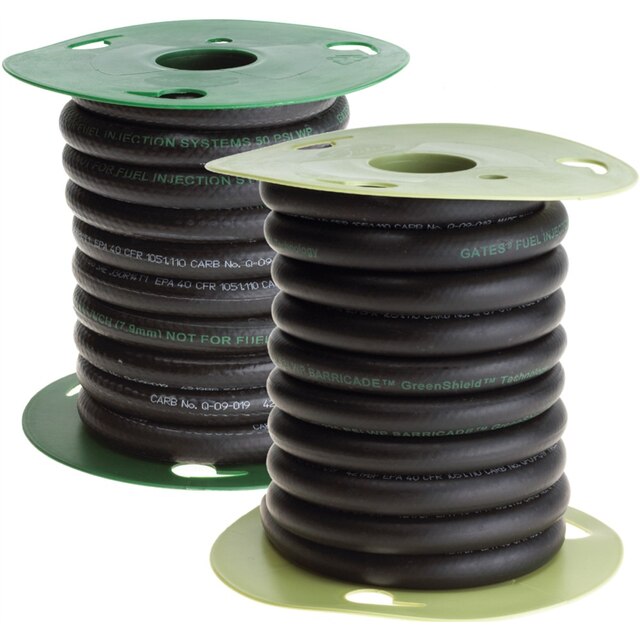
ACDelco Gold Fuel Carburetion Hose
Gold
Pack of 1

ACDelco Gold Fuel Carburetion Hose

GM Part #19251918

ACDelco Part #32213

MSRP$86.69*

ACDelco Specialty Premium Carburetion Fuel Line Hoses are low-permeation, premium hoses used on carbureted engines, PCV, and EEC systems, and as fuel return hoses on fuel injection systems.

  • Meets SAE J30R14T1, EPA 40 CFR 1051.110, and CARB small engine off-road requirements for low permeation
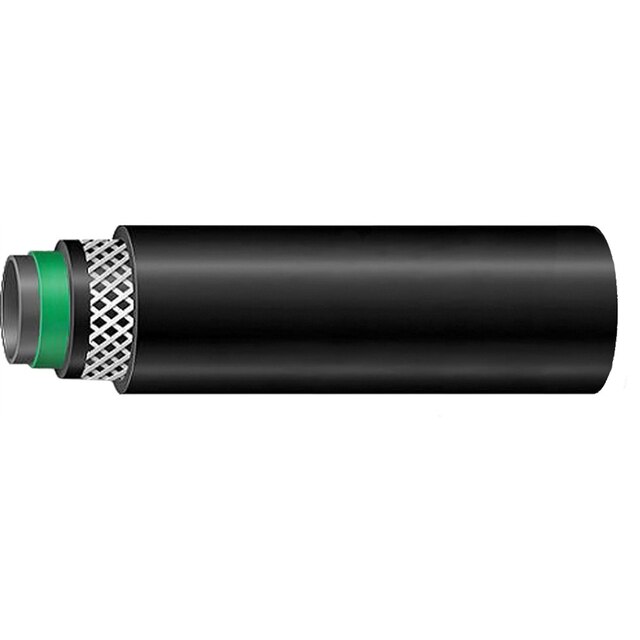
  • Has a thermoplastic barrier layer and an oil, heat, ozone, and abrasion resistant cover for enhanced durability
  • Recommended for carbureted engines in cars, light trucks, off-road vehicles, and small engines

Pack of 1

About this product

ACDelco Specialty Premium Carburetion Fuel Line Hoses are low-permeation, premium hoses used on carbureted engines, PCV, and EEC systems, and as fuel return hoses on fuel injection systems. They are approved for use with leaded and unleaded gasoline, diesel, bio-diesel, E-85, methanol, ethanol, and gasohol fuels. They are equipped with a patented five layer technology that keeps fuel out of the environment while delivering peak fuel efficiency. ACDelco Specialty Premium Carburetion Fuel Line Hoses are temperature rated from -40 degrees Fahrenheit to 257 degrees Fahrenheit (-40 degrees Celsius to 125 degrees Celsius) and have an oil, heat, ozone, and abrasion resistant cover. Do not use on pressure lines on fuel injection systems or cooling system applications.

Warning WARNING: Cancer and Reproductive Harm - www.P65Warnings.ca.gov

  • Meets SAE J30R14T1, EPA 40 CFR 1051.110, and CARB small engine off-road requirements for low permeation
  • Has a thermoplastic barrier layer and an oil, heat, ozone, and abrasion resistant cover for enhanced durability
  • Recommended for carbureted engines in cars, light trucks, off-road vehicles, and small engines
  • Caution: Do not submerse in gasoline
  • Warning: Do not use on pressure lines on fuel injection systems or cooling system applications. Use an ACDelco Specialty Premium Fuel Injection Hose (MPI) for multi-port injection systems

Universal Or Specific FitUniversal
ColorBlack
Inside Diameter6.3mm
ClassificationGold
Working Pressure50
MaterialThermoplastic Barrier

Limited Lifetime Warranty (Parts Only). Please see ACDelco.com for more details

Please visit our warranty page on Gmparts.com for full warranty details.

Good Maintenance Practices:

  • Examine hoses every 12 months. Look for leaks, cracks, or rot. Replace when showing signs of wear.
  • Tighten any loose clamps. Replace clamps when replacing hoses.
  • Have cooling system inspected immediately if instrument panel-mounted temperature gauge indicates engine overheating.
  • Periodically remove bugs, leaves, and other debris from the front of the radiator. They can block airflow and substantially reduce cooling efficiency.
  • Though electrochemical degradation occurs from the inside out, you can feel for voids, cracks, or weak spots. Squeeze the hose with your thumb and two or three fingers. If you're not sure, remove the hose and check it visually.

Troubleshooting Tips:

  • Signs of electrochemical degradation include voids, cracks, or weak spots on the inside of the hose.
  • Signs of internal heat damage include slight swelling of the hose cover.
  • Signs of external heat damage include hardening or cracking of the hose cover.
  • Other signs of wear include oil damage, abrasion damage, brittleness, lack of heat/cooling within the cabin, ozone damage, and leakage of the hose.

Frequently Asked Questions

Yes, make sure hose clamps are screwed on tightly when installing.

Yes - when there's water in the hose. That's why it's important to follow the vehicle manufacturer's recommendation on the use of engine coolant.

No, use the hose in the way it's listed in the ACDelco belts and hoses catalog.

Yes, this requires inspection, though. When the engine is cool, squeeze the hoses with your thumb and forefinger near the clamps. Feel for soft or mushy spots. A good hose will have a firm yet pliant feel. Also, Inspect for cracks, nicks, bulges (usually while hot), or a collapsed section in the hose and oil contamination, or fraying near the connection points.

No

No