
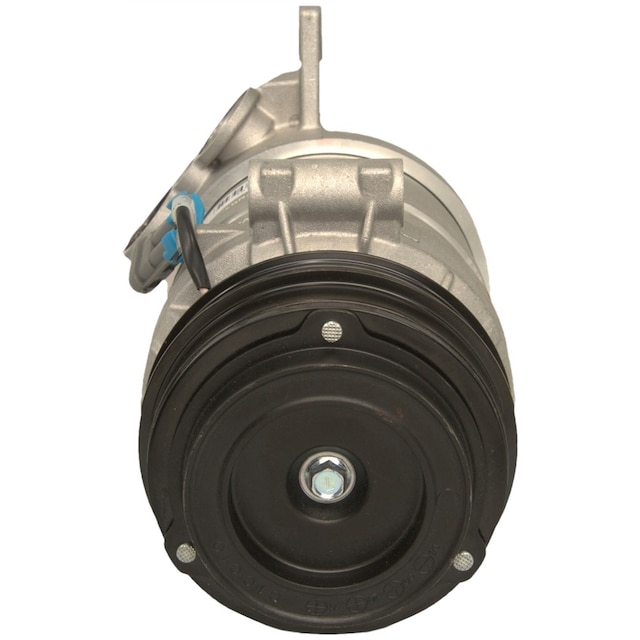
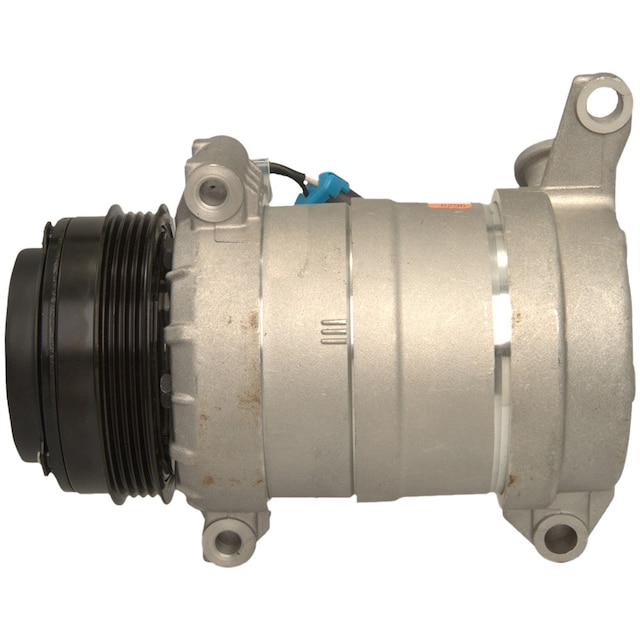
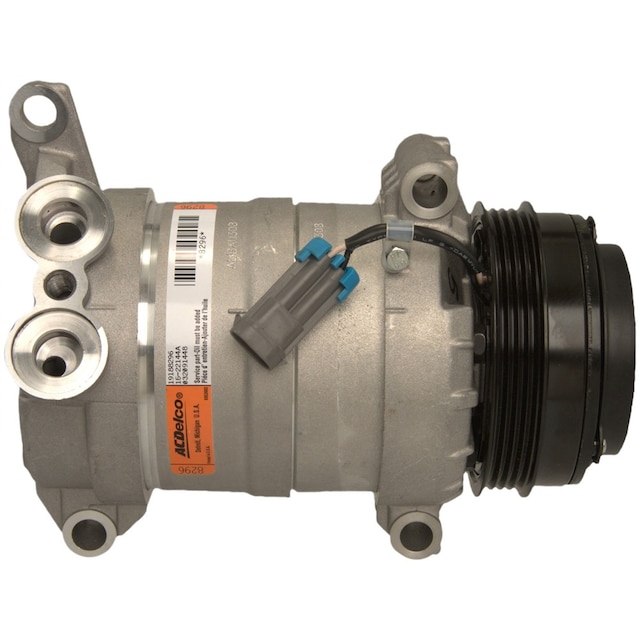
 WARNING: Cancer and Reproductive Harm - www.P65Warnings.ca.gov
When replacing your compressor, it is very important to use suction screens and inline filters on liquid lines. These filters and screens will catch any debris in the system to avoid damage to the new compressor. ACDelco also recommends system flushing using native refrigerant before installing a new compressor.
- Musty smell when the air conditioning or heating system is activated
- Inadequate cooling or heating temperatures when using the air conditioning or heating system
- The vehicle's temperature gauge indicates a 'red' condition
- Use the proper O-ring for the system
- Thoroughly clean all fittings and do not over torque beyond what is recommended
- Always lubricate O-rings with clean refrigerant oil
- Always replace sealing caps on service ports
- Recover refrigerant from the system when or if necessary
- Keep dirt and foreign material from all sealing surfaces
To check your A/C system for leaks:
- Lack of or insufficient cooling, excessive clicking sounds, unusual noises, or growling when using the A/C system could be a sign of a worn A/C compressor or components. This could be due to:
- Internal compressor fault
- A/C clutch or electrical circuit failure
- A broken or loose drive belt
- Worn or damaged service valves and caps
- Worn hoses
- Loose connections
- Seal failures
- Damaged components
- Worn or damaged compressor shaft seal
- Worn or damaged evaporator
- Worn or damaged condenser
- Worn or damaged compressor seals
- A/C system component corrosion
- Missing service cap
- Use a leak detection dye, such as ACDelco Fluorescent Tracer Dye. Be sure to use the dye that is specified for use with your systems oil and refrigerant type.
- Look for dirt or containment build up around hose or line connections. This could be a sign that oil, which would attract and hold contaminants, is leaking out of the connection.